
Historical restoration dry ice blasting
Historical restoration dry ice blasting
Dry ice blasting is the ideal cleaning method for conservation and restoration projects.
Heritage work needs a careful hand.
Remove grime, soot, coatings and build-up –
while protecting original materials, tool marks and period detail.
Removes contamination without water, harsh chemicals, or abrasive media –
preserving the original character and integrity of historic fabric.
Why dry ice blasting suits heritage and conservation
- Non-abrasive cleaning that helps protect fragile surfaces and detail
- Moisture-free process – reduces the risk of driving dirt into pores
- No chemical residue left behind
- No secondary waste – the dry ice turns to gas on impact
- Highly controllable for sensitive substrates and fine features
- Suitable for occupied, public, and high-profile sites
Dry ice blasting provides a highly controlled, non-destructive cleaning solution for heritage and conservation projects. Designed to protect original materials and period features, dry ice blasting removes contamination while preserving the character, integrity and history of the structure.
Fully mobile ice blasting service across the UK
We bring specialist ice blasting equipment to your site, so you avoid dismantling, transport, and unnecessary disruption. We work at:
Heritage sites and conservation projects
Historic homes and estates
Listed buildings and protected structures
Public landmarks and visitor sites
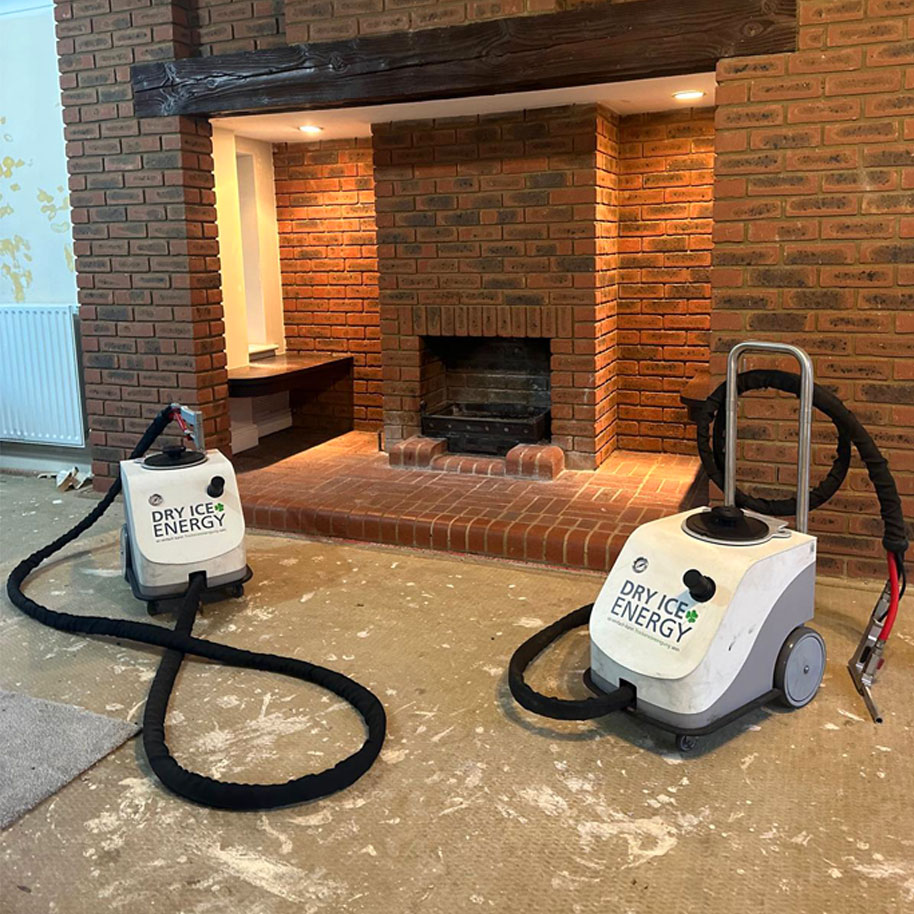
Equipment matched to every restoration task
We use a range of systems for delicate surface work through to heavier contamination removal. We match pressure, pellet size and nozzle choice to the material and the aim of the project.
Self-sufficient setup – work anywhere
We work in confined interiors, elevated areas, occupied buildings and remote sites. We bring all equipment to you, including power solutions where required, so we operate independently in sensitive or restricted locations.
Common historical restoration applications
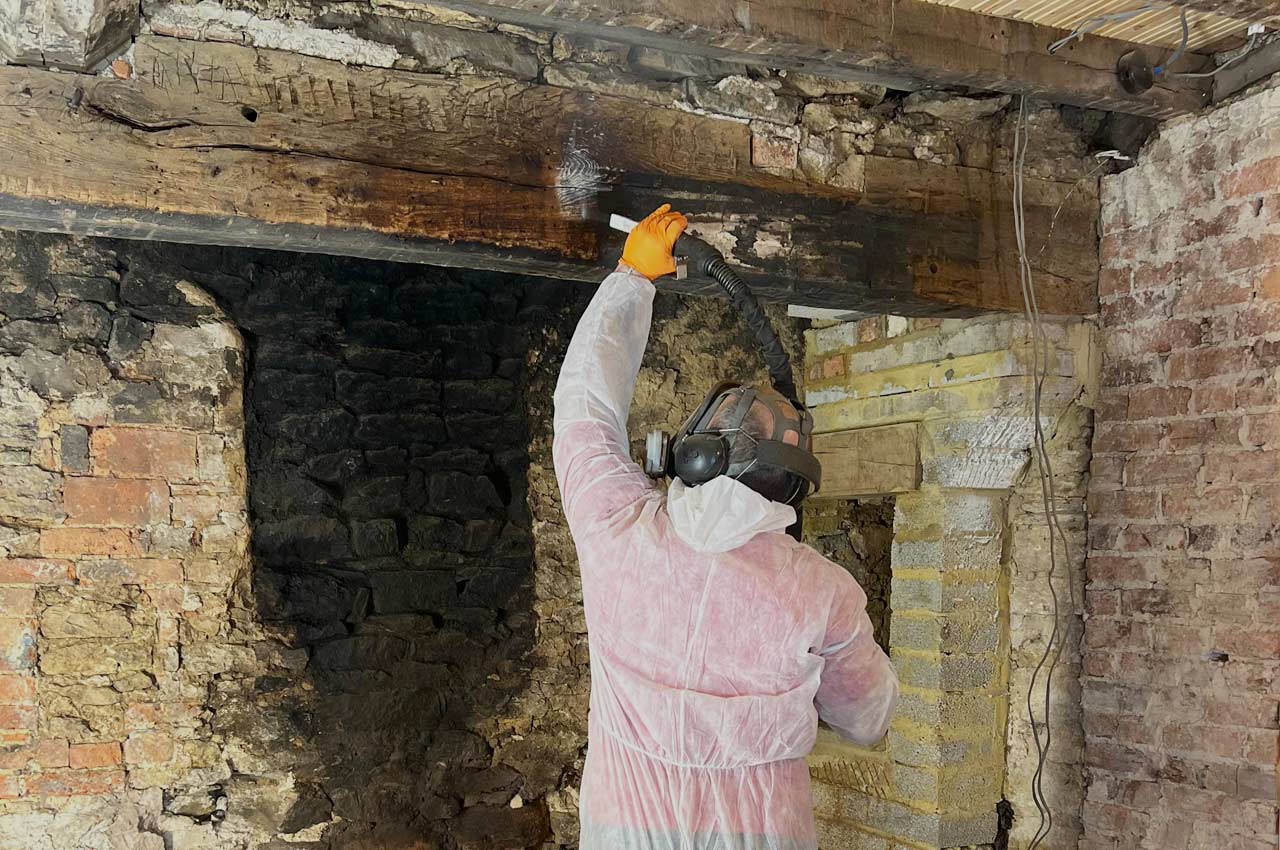
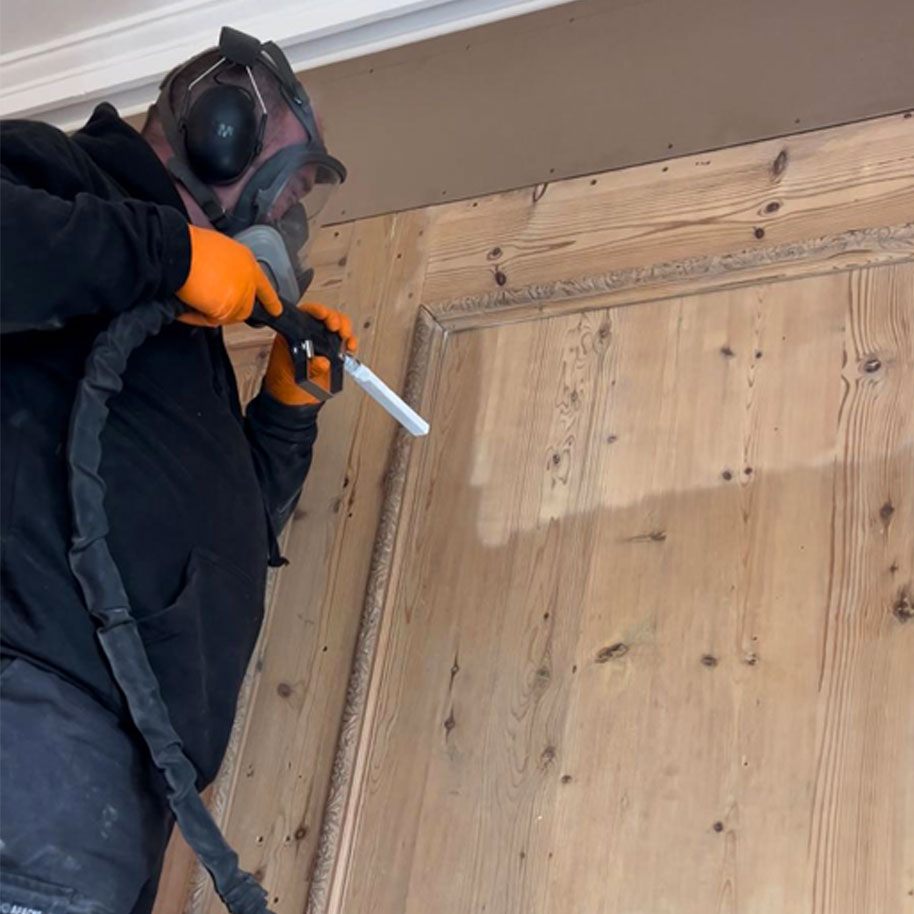
Oak beams and roof timbers
We remove soot, grime and surface build-up on timbers while protecting edges, texture and character.
Stone, brick and masonry
We clean porous materials without water saturation, supporting a controlled approach to heritage masonry.
Decorative and architectural features
We clean carvings, mouldings, plaques and trims where you need precision and minimal disturbance.
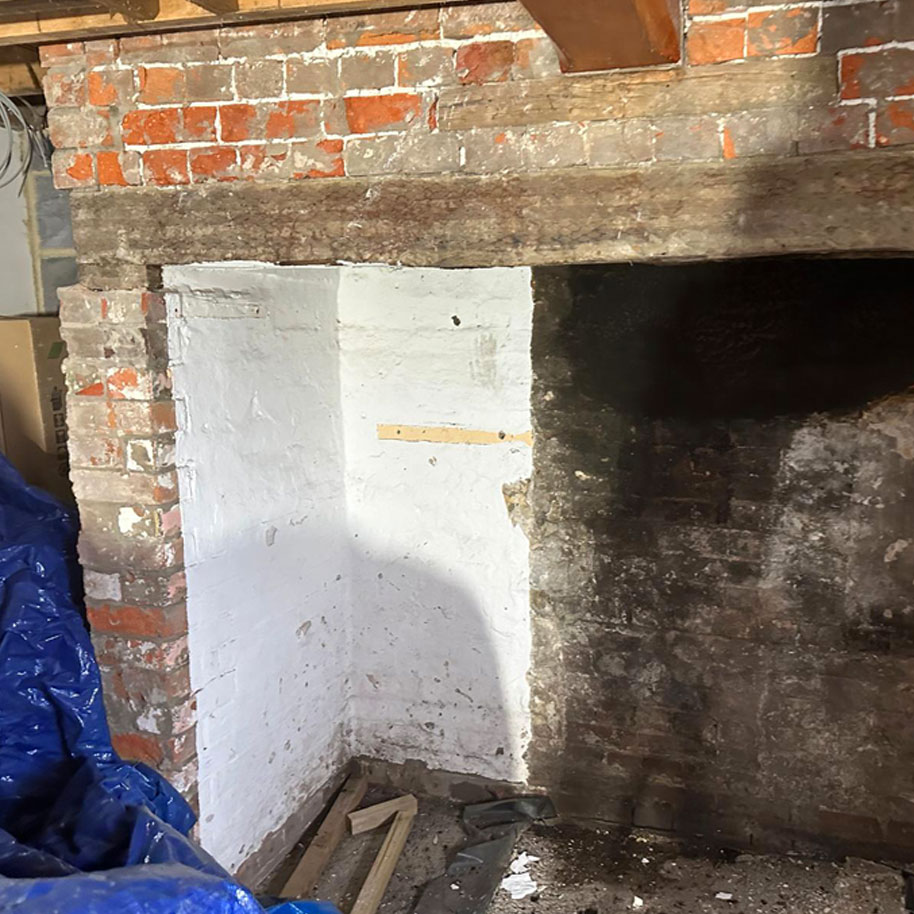
Fire and smoke damage restoration
We lift soot and smoke residue without wet cleaning, which helps avoid spreading staining deeper into the substrate.
Preparation for conservation works
We support repairs and conservation treatments by cleaning substrates carefully, so follow-on work bonds properly and looks right.
Ideal for listed and protected buildings
Dry ice blasting suits listed buildings and protected sites because it:
Preserves original materials and finishes
Avoids aggressive abrasion and chemical damage
Supports a conservation-led approach to cleaning
It is frequently specified where traditional cleaning methods are unsuitable.
Why use dry ice blasting for historical restoration?
Non-abrasive and moisture-free
No chemicals or secondary waste
Precise and highly controllable
Preserves historic fabric and detail
Suitable for sensitive, occupied or public buildings
A conservation-focused cleaning solution
From period features to large-scale heritage projects, we deliver a clean, controlled service nationwide – wherever you need careful historic preservation with minimal disruption.
FAQs
Is dry ice blasting safe for listed buildings?
Yes. Dry ice blasting offers a controlled, non-abrasive and moisture-free method that suits sensitive historic substrates and protected sites.
Will it remove contamination without damaging original detail?
Yes. We set the system to match the material and feature, so we remove build-up while protecting tool marks, texture and period character.
Does the process use water or chemicals?
No. Dry ice blasting stays dry and avoids chemical solvents, which helps reduce risk on porous or fragile materials.
Will it leave residue behind?
No. The dry ice turns to gas on impact, so you won’t deal with wastewater, slurry, or leftover blasting media.
What surfaces do you work on in heritage projects?
We work on timber, stone, brick, masonry, and decorative architectural features, including areas affected by soot and smoke.
Do you work in occupied or public buildings?
Yes. The process creates minimal mess compared to wet or abrasive methods, which suits public buildings and occupied sites.
Do you cover the whole UK?
Yes. We support projects nationwide, from single buildings to estates and public landmarks.
What do you need to quote the work?
Site location, photos of the surfaces and contamination, access details (such as scaffold or restricted areas), and your preferred time window for the work.