
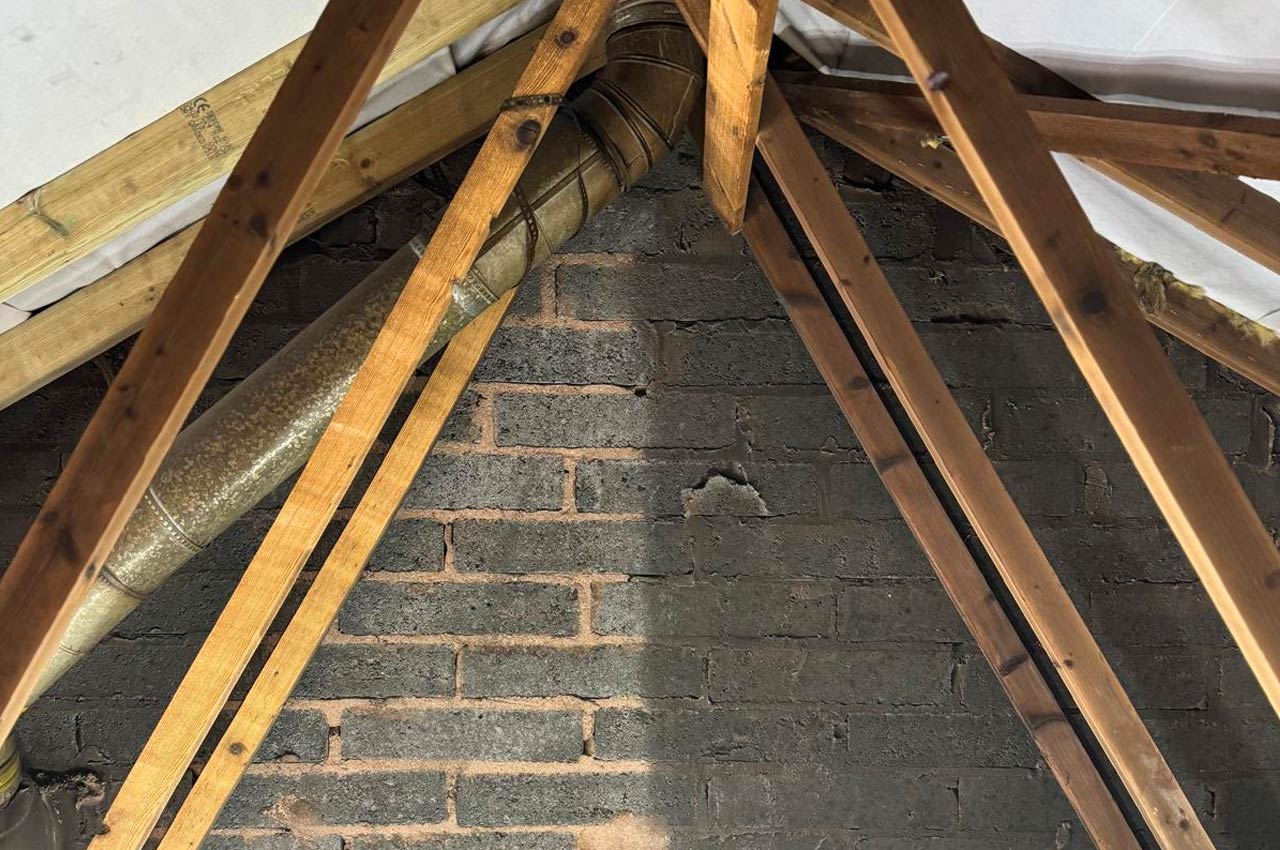
Fire and smoke damage ice blasting
Contract cleaning around your operations
Fire leaves more than visible damage –
Soot, smoke residue, odours, and sticky contamination settle into surfaces and voids.
Dry ice blasting lifts contamination fast without soaking materials or grinding surfaces.
Cleaner, safer spaces – easier for surveyors, loss adjusters, or contractors to inspect and reinstate sooner.
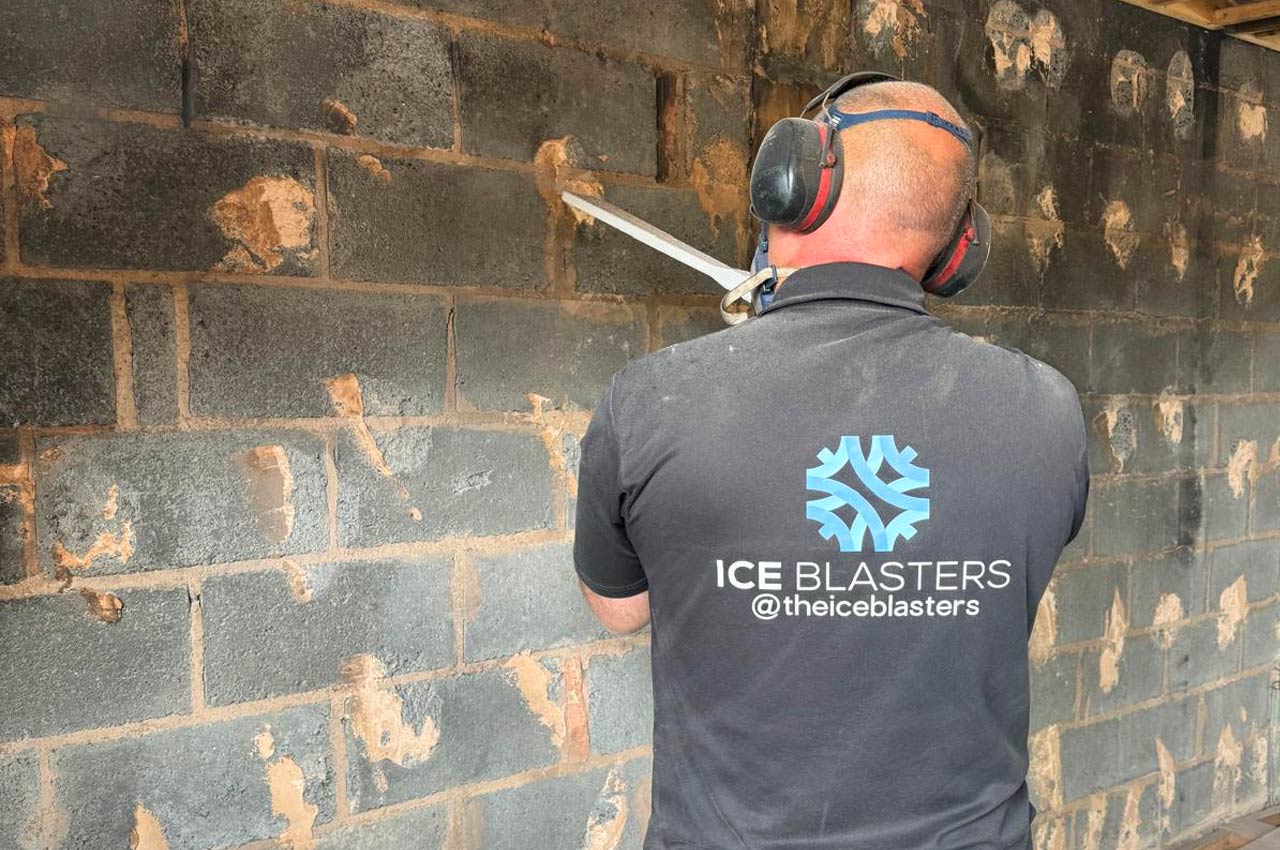
Why dry ice blasting works so well after a fire
Dry ice blasting helps you move from damage to decisions – quickly and cleanly.
- We clean without water – no added moisture inside a property
- We avoid harsh chemicals – less residue, less risk, less smell
- We protect surfaces – non-abrasive cleaning that suits sensitive finishes
- We reduce spread – controlled cleaning that helps stop soot travelling further
- We cut clear-up time – no blasting media to sweep up afterwards
What we remove
We target the contamination you see – and the contamination you don’t.
We clean without water – no added moisture inside a property
We avoid harsh chemicals – less residue, less risk, less smell
Fire-related grime on metalwork, brick, stone, concrete, and timber
Residue around sockets, trunking, conduits, ducting, and cable runs
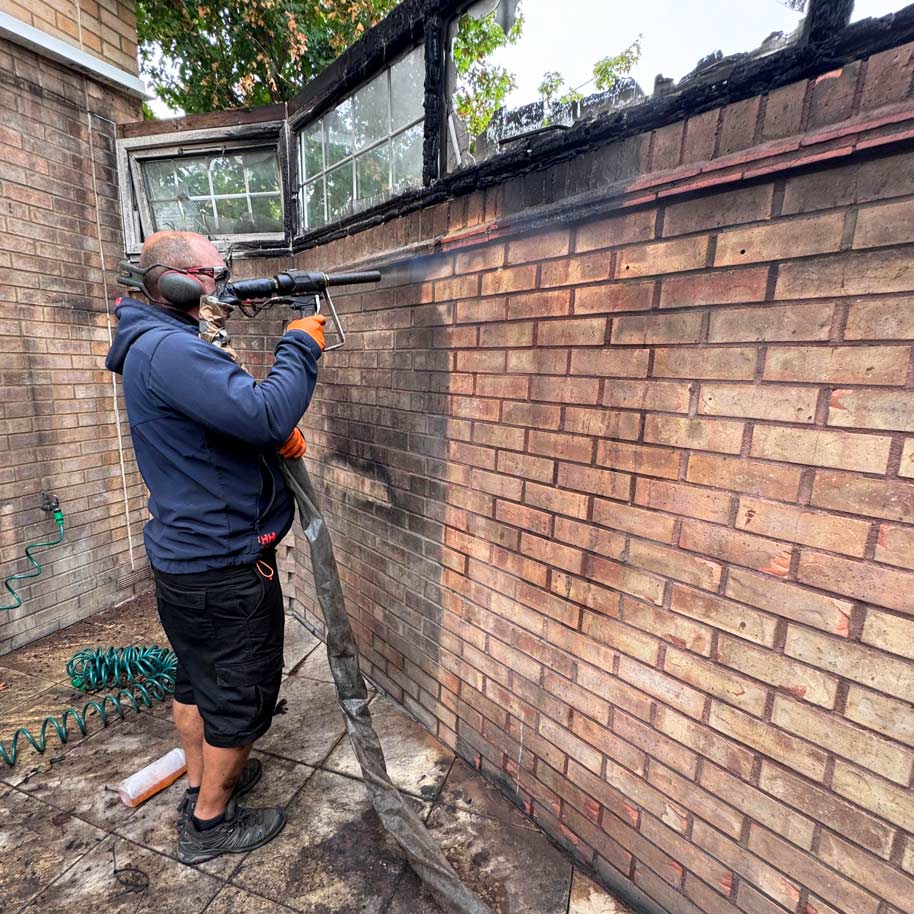
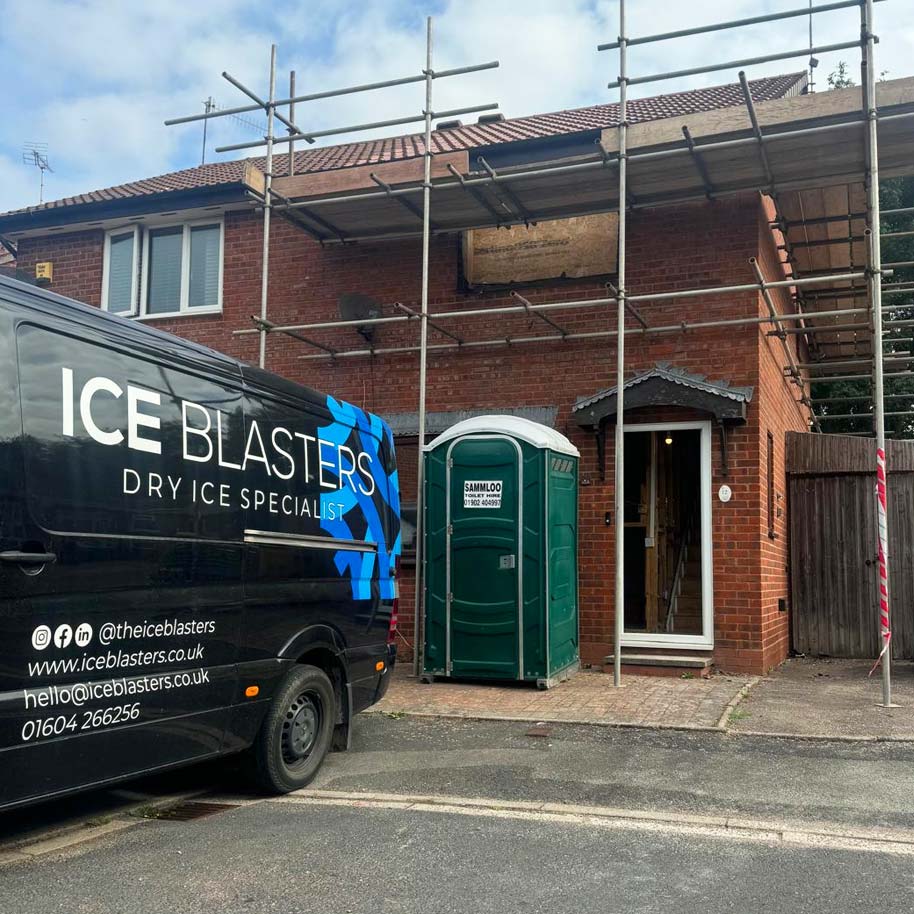
Fully mobile dry ice blasting – rapid response across the UK
We bring everything to site, including power options where needed. You won’t need to move damaged items off-site to start progress.
Fully mobile service for homes, commercial sites, and industrial premises
Nationwide coverage – urban, rural, remote, and restricted locations
Set-up built for damaged buildings and tight access
Where we use it
We match equipment and settings to the job – from detailed interior work to heavy structural clean-up.
Smoke and soot removal
We clean surfaces back to a safe, inspectable finish, ready for repair and redecorating.
Structural cleaning
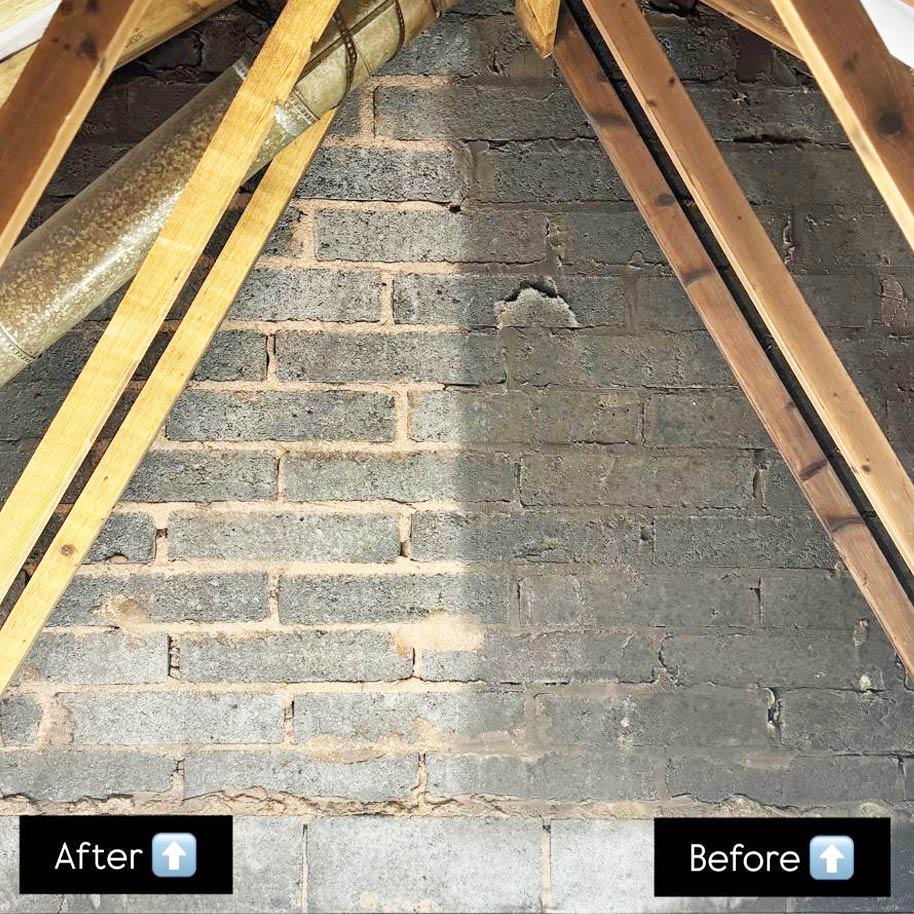
We remove soot from beams, joists, brickwork, blockwork, steelwork, and concrete, so you see the real condition of the structure.
Interior and finish restoration
We clean around trims, mouldings, stair parts, and delicate finishes where harsh methods risk damage.
Machinery, fixtures and services
We clean plant, production kit, electrical housings, services runs, and fixtures where soot causes faults, odours, and corrosion risk.
Ice Blasting for every property type
We work across:
- Homes and flats
- Offices and commercial buildings
- Warehouses and industrial facilities
- Public buildings and community sites
- Historic and listed properties
The non-abrasive process makes dry ice blasting especially valuable where preservation and minimal disruption are required.
Working with insurers and assessors
We support the wider restoration process, so everyone gets clearer information sooner.
We expose surfaces for inspection and reporting
We help speed up scope decisions and reinstatement planning
We align our work with site rules, documentation needs, and programme dates
Our collaborative approach ensures clean-up work aligns with insurance and compliance requirements.
Why use dry ice blasting for clean up of a fire?
Non-abrasive and non-conductive
No water or chemical residues
No secondary waste to dispose of
Prevents spreading soot contamination
Faster, cleaner restoration process
Get back to clean, safe spaces sooner
Need fast, controlled fire and smoke clean-up with dry ice blasting? Speak to our team and we’ll plan a site visit and quote.
FAQs
What does dry ice blasting remove after a fire?
We remove soot, smoke residue, oily films, and fire-related grime from surfaces and fixtures. We also clean hard-to-reach areas where residue builds up, like beams, void edges, services, and plant housings.
Will dry ice blasting damage delicate finishes?
We use a non-abrasive method and we tune pressure, pellet size, and nozzle choice to the surface. That makes it a strong option for sensitive areas where harsher methods risk scuffing, pitting, or stripping finishes.
Does dry ice blasting add moisture to the property?
No. The dry ice sublimates on impact, so we don’t soak surfaces or introduce rinse water. That helps you avoid added damp and reduces the risk of secondary issues.
Will it spread soot around the building?
We work in a controlled way and we use containment and extraction where needed. That helps keep soot movement down and keeps adjoining areas cleaner.
Will it help with smoke smell?
It will remove smoke residue that drives odour on many hard surfaces. Odour trapped in soft or porous materials often needs extra steps, such as targeted sealing, removal of affected items, or specialist deodorising.
What surfaces will you clean after fire and smoke damage?
We commonly clean brick, block, concrete, steel, timber, stone, metalwork, ducting, fixtures, and many painted or coated surfaces. We match the approach to the material and the level of contamination.
Do you work on listed and historic buildings?
Yes. We often work on sensitive and heritage sites where preservation matters. We focus on controlled cleaning that supports inspection and repair without aggressive abrasion.
Do you work in occupied properties?
Yes, where it suits the site and the programme. We plan the work area, manage noise and dust, and keep disruption down with phased cleaning and sensible working hours.
Is dry ice blasting safe indoors?
Yes, with the right controls. We plan ventilation and we monitor air quality where required, because dry ice produces CO₂ as it sublimates. We also use the right PPE and site controls for soot and contaminated residue.
How quickly will you attend after a fire?
We mobilise quickly for time-critical jobs. Once you share the location, access details, and the scope, we’ll set an earliest slot and plan the set-up around site conditions.
Do you work alongside insurers and loss adjusters?
Yes. We regularly support insurance-led restoration work. Our cleaning exposes surfaces for inspection, helps define scope, and supports reporting and reinstatement planning.
What will you need from site before you start?
We’ll need safe access, a clear plan for restricted areas, and details of any hazards or site rules. We bring our equipment, and we’ll also bring power options where site power doesn’t suit the work.
What happens to the waste?
Dry ice leaves no blasting media behind. The waste comes from the removed soot and debris, which we collect and manage in line with site requirements and contamination level.
How do you price fire and smoke clean-up?
We price based on the area size, contamination level, access, working conditions, and the surfaces involved. We’ll talk through the scope and quote with clear inclusions, so you know what the job covers.