
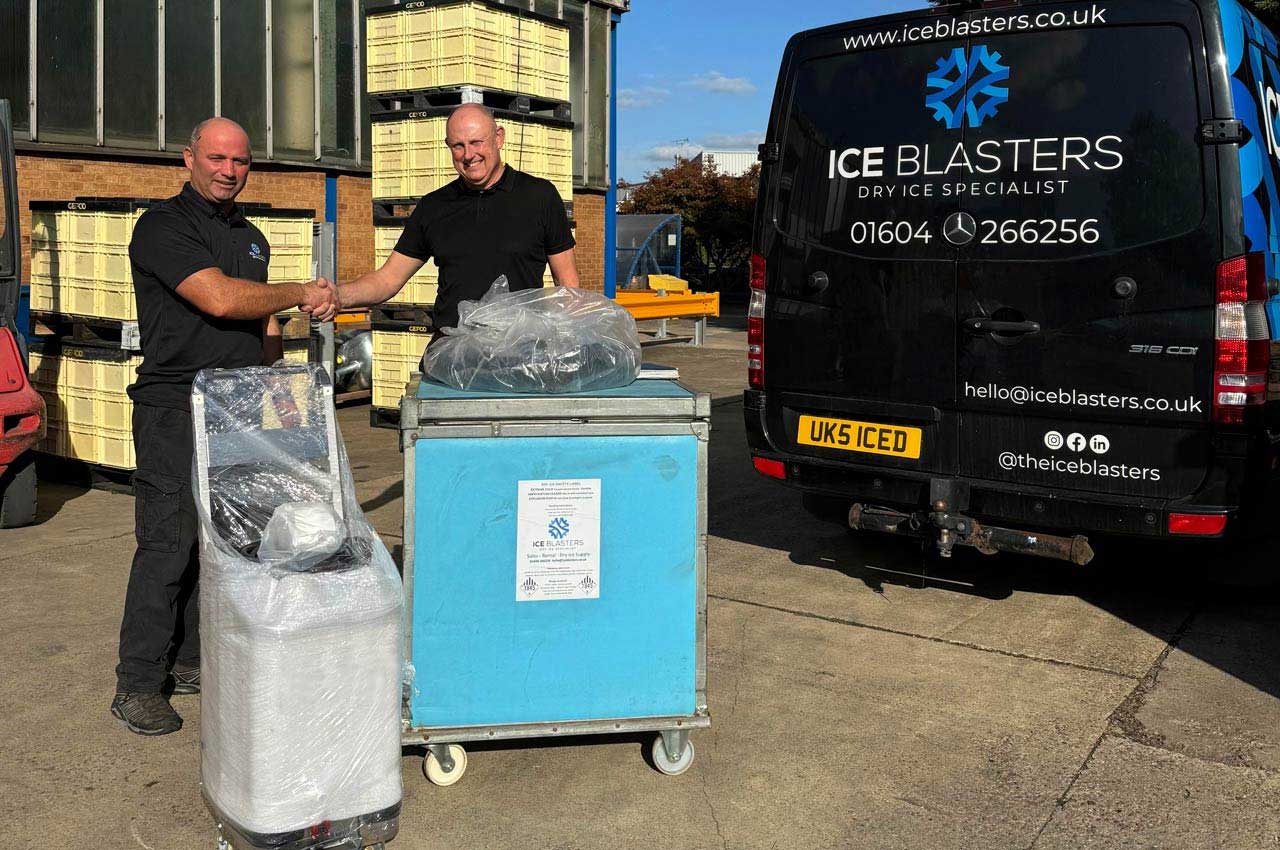
Rubber injection moulding factory
Project overview
The client is a rubber injection moulding manufacturer producing high-precision components for industrial and automotive applications. The factory operates continuous production, where mould cleanliness directly affects cycle times, part quality, and unplanned downtime.
The challenge
Rubber injection moulding creates heavy contamination, including cured rubber residue, release agents, carbon deposits, and oils. These contaminants caused:
- Frequent production stoppages for cleaning
- Manual scraping and chemical use that risked mould damage
- Inconsistent part quality and blocked vents
- High labour input and extended maintenance windows
The client was seeking a faster, safer, and more sustainable way to clean moulds and production equipment without removing tools from the machines.
Initial demonstration
Our team was invited on-site to carry out dry ice blasting on live production equipment. During this initial visit, we:
- Cleaned surrounding production equipment in situ
- Demonstrated the effectiveness of dry ice blasting directly on rubber injection moulds
- Showed how contamination could be removed without abrasion, moisture, or chemicals
The results were immediate, with visibly cleaner mould surfaces and restored venting—without disassembly or cooling.
Trial phase: machine rental
Following the demonstration, the client chose to rent a dry ice blasting machine to test the process within their own production environment. This allowed them to:
- Carry out cleaning during live production and planned maintenance
- Measure downtime reduction and quality improvements
- Train internal maintenance staff on the process
During this phase, dry ice blasting proved to significantly reduce cleaning times while improving mould performance.
Full adoption & ongoing support
Based on the success of the trial, the client:
- Purchased a dry ice blasting machine
- Entered into an ongoing dry ice supply agreement
- Integrated dry ice blasting into their regular preventative maintenance routine
Today, the client’s team carries out routine cleaning on all injection moulds in-house, while we continue to support:
- Larger-scale cleans using heavy-duty industrial dry ice blasters
- Technical advice and process optimisation as required
Results
The implementation of dry ice blasting delivered clear, long-term benefits:
- Massive reduction in mould cleaning downtime
- Cleaning performed in-place and at operating temperature
- Improved part consistency and reduced scrap
- Extended mould life due to non-abrasive cleaning
- Elimination of chemical cleaners and secondary waste
- Increased overall production efficiency
Client outcome
Dry ice blasting is now a standard cleaning method across the factory, enabling faster changeovers, improved reliability, and greater control over maintenance schedules.
Why dry ice blasting for rubber injection moulding?
- Non-abrasive and safe for precision tooling
- Effective on cured rubber and carbon buildup
- No water, chemicals, or residue
- Ideal for live production environments
- Supports lean manufacturing and sustainability goals
Conclusion
By adopting dry ice blasting, this rubber injection moulding manufacturer transformed its cleaning process—from reactive, time-consuming maintenance to a fast, efficient, and operator-led solution. The result is dramatically reduced downtime, improved product quality, and long-term operational savings.